It’s no secret — digitally marketing to an audience that was practically born with iPhones in their hands, hardly remembers a life without social media, and has their fingers on the pulse of nearly every digital trend ever is hard. Doing it right is even harder.
Gen Z, or those born between 1997 and 2012, currently accounts for 25% of the global population according to a NielsenIQ and World Data Lab report. By 2030, the combined spending power of this demographic is expected to exceed $12 trillion, putting them on track to be the largest consumer generation in history. So, why is it so hard to reach them?
Gen Z presents unique challenges in reaching and connecting with them, maybe more so than any previous generation. As the first “digital natives,” this population experiences greater information overload and consumes more media daily than anyone else. Growing up in an online world of continuously evolving trends, Gen Z is quick to take in and process information and even quicker to scroll or click away when it doesn’t resonate. As drivers and creators behind a large majority of online trends, Gen Z doesn’t hesitate to spot and call out inauthentic or “cringe” attempts to speak to them in their “language.” Try too hard, and you risk sounding corny or the aforementioned cringe, which will get you slaughtered in the comments section, but hey, engagement is engagement, right? Don’t try hard enough, and there’s no way you’re stopping the scroll.
I am sure many marketers can agree that, at times, advertising to Gen Z feels like a code that is impossible to crack. Trends, products, terminology and even people that were dubbed “cool” and “in” a week ago suddenly aren’t the next week, and oftentimes for no apparent reason. Remember when the term “cheugy” (something that is uncool, out-of-date, or trying too hard to be trendy) spread like wildfire across TikTok? And then, by the next week, using it was, in fact, cheugy.
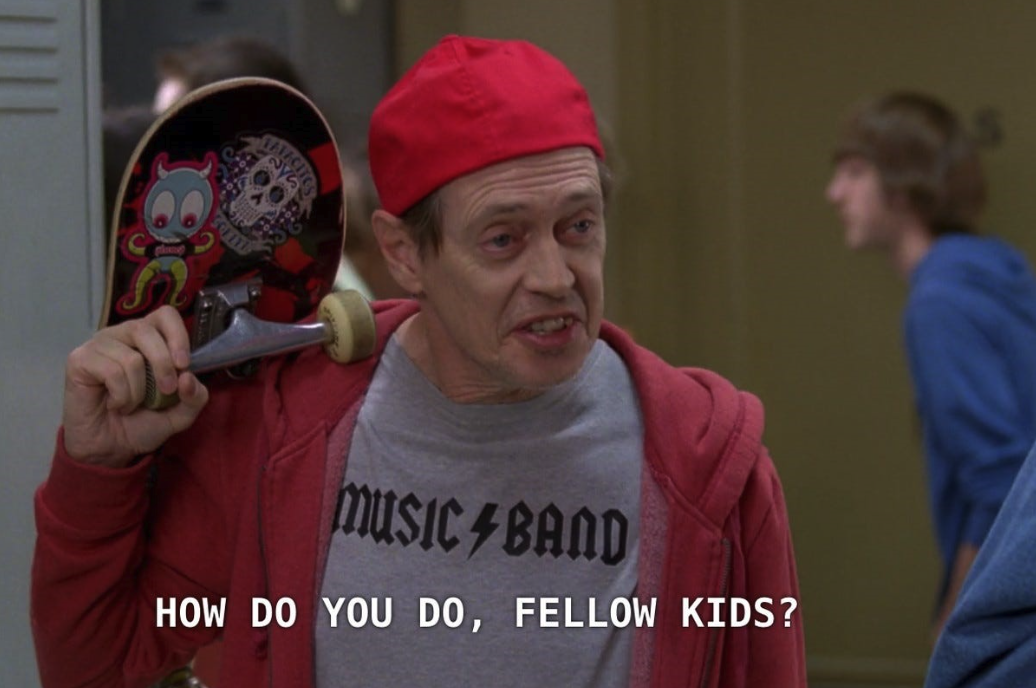
So, how can you successfully connect to Gen Z in today’s digital landscape? Unfortunately, there is no secret way to crack the code. But there are a few rules to live by when trying to connect with this audience, so you don’t end up giving major “how do you do, fellow kids” vibes. Believe it or not, for a generation dubbed “chronically online,” it all starts with authenticity.
Lead with authenticity. For Gen Z, real is better. Gone are the days of overly polished, picture-perfect advertisements. When it comes to this generation, they prefer real, genuine content, and they can tell when you’re faking it. Skip the multi-thousand-dollar video budget and post-production. This generation has been marketed to online for as long as they can remember, and they can sniff out an ad in 0.1 seconds (and they will be even quicker to scroll away). That is why raw content performs best.
Take a recent campaign we developed for Great Bay Community College (GBCC), for example. Our goal was to encourage young adults to return to school while showing them how easy it is to apply and attend. So, what did we do? We took real students, right on campus, and asked them to (in their own words, no scripts — no, really!) explain why they chose GBCC and why it works for them. The result? Authentic stories from real students that connected with the audience we were trying to reach. In the end, the students in the campaign were relatable and sparked the feeling of “if they can do it, so can I!” I am certain that had we hired talent, scripted responses or shot in a studio, we would not have had the same results.
One of our team’s favorite surprises of this campaign was the student who just happened to be wearing a Godzilla ramen t-shirt the day they filmed their clip. Talk about a natural scroll stopper and engagement driver, and guess what, it worked!
Our GBCC campaign brings us to our next topic: user-generated content (UGC) is king in this current digital advertising landscape and for this audience. Word-of-mouth marketing has always been huge, and according to McKinsey, it is the primary factor behind 20% to 50% of all purchasing decisions. UGC is simply the latest form of this, or “digital word-of-mouth.”
Lately, we have seen large organizations and corporations continue to put more of their marketing budget towards this type of content, over influencer marketing. Now, micro-influencers are ruling the digital marketing stage, as Gen Z begins to distrust larger, overly polished influencers (or those they feel have “sold out” to brand deals). Largely due to the generation’s overall distrust of “big” anything, many of them came of age watching institutions fall.
Amra & Elma’s 2025 research found that 69% of Gen Z trust micro-influencers more than celebrities. To them, raw is real, imperfection is trustworthy, and micro-influencers are seen more as peers rather than as unattainably perfect public figures.
For a generation known for being chronically online and speaking in “brainrot” slang, it might come as a surprise that they gravitate toward brands that lean into their values. When it comes to purchasing, Thomson Reuters/Syracuse University’s Dynamic Sustainability Lab found that 81% of Gen Z has changed a decision to buy a product based on a brand’s actions or overall reputation. So, when marketing to this population, keep values in mind, and lean into what matters most to this demographic: authenticity, diversity, equity and inclusion; mental health and wellbeing; and social and environmental justice. But, once again, there’s a way to do it right, and one-time activism typically has the opposite effect for this population.
Gen Z gravitates toward brands that deeply integrate their values into their long-term operations, not just a seasonal campaign — just look at Ben & Jerry’s for an example of a brand that has earned the respect of Gen Z and has been doing this right for a long time. Or Starface, the brand that turned the pimple patch into a fashion accessory by creating fun-shaped, colorful skin care that showed teens how to be confident and have fun with their “flaws.” Rather than just making “self-confidence” a tagline, they made it the basis of their entire product design, and they are the reason you might see teens out and about with colorful star stickers on their faces.
While it is nearly impossible to keep up with for most, Gen Z is all about their trends. But, again, when it comes to marketing, this is one of those “do it right or don’t do it at all” examples. Trends can be a fun way for brands to get in on Gen Z’s conversation and grow their awareness on social, but if you wait too long, misinterpret the trend or don’t get it right, your brand probably will be roasted in the comments (and this generation can be ruthless online).
While there is no big secret to cracking the code of marketing to today’s “fellow kids,” the key lies in simplicity through trust and authenticity. Gen Z is fatigued, tired of being marketed to and deceived — after all, most of them haven’t known anything else. So, next time you plan a campaign targeting them, skip the overly done and polished and lean into the raw and real, whether it’s through the content you post, the causes you back or the trends you jump on. It might just be what cuts through the digital noise and reaches them. And seeing as they are about to wield the largest spending power this economy has ever seen, I’d say they’re worth reaching.